Semi Truck Flag Embroidery Design
First Impressions of Semi Truck Flag
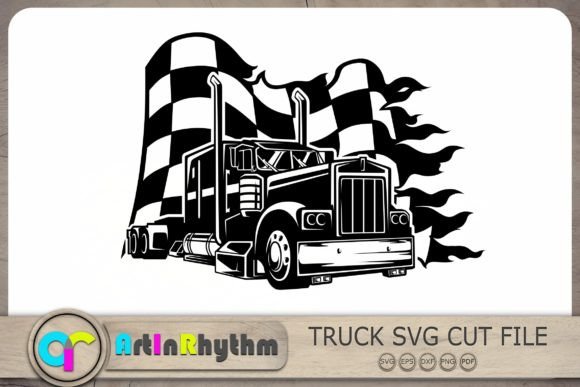
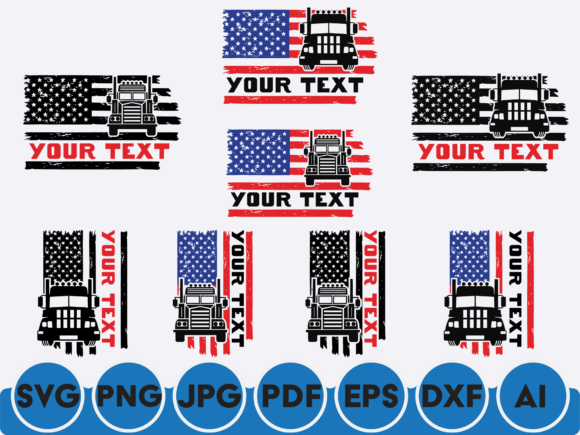
The Semi Truck Flag design immediately catches the eye with its bold, nostalgic appeal. The shape is clean and recognizable, featuring a classic flag motif that evokes a sense of Americana and rugged individualism. The layout is straightforward, with a strong central image that doesn’t overwhelm the space. The detail level is just right—enough to add visual interest without complicating the embroidery process.
This design feels like it belongs on custom apparel, especially items that aim to make a statement. It’s ideal for sweatshirts, tote bags, or even baby onesies where a touch of personality is needed. The theme is versatile enough to work in both casual and semi-formal settings, making it a solid choice for a wide range of projects.
Real-Life Use Cases for Semi Truck Flag
Imagine you're preparing a custom embroidered tote bag for a client who wants something unique and eye-catching. The Semi Truck Flag would stand out as a focal point, adding character and a sense of adventure. It would work well on cotton or canvas tote bags, where the fabric can handle the stitching without distortion.
For a small business owner selling handmade products, this design could be a hit. It’s perfect for an Etsy listing, offering a blend of nostalgia and modern craftsmanship. The design also lends itself well to personalized gifts, such as holiday decorations or wedding favors, where the visual impact matters.
In a craft fair setting, the Semi Truck Flag could attract attention due to its strong visual identity. It’s easy to recognize and has a clear story behind it, which helps in engaging potential buyers. As a digital product, it could be used in printable mockups or as part of a larger design collection for other creators.
Performance in Different Embroidery Projects
When it comes to machine embroidery design, the Semi Truck Flag holds up well in most standard applications. It’s suitable for custom apparel like t-shirts, sweatshirts, and caps, where the design can be placed prominently. However, it’s important to consider the hoop size when working on smaller items like caps or baby clothes, as the design might require a larger area than typical.
The design works best on smooth, non-textured fabrics. On stretchy or thin materials, extra care should be taken to ensure the stitches don’t pucker or distort. For dark fabrics, the contrast between the design and the background will depend on the thread colors chosen. Lighter threads may not show up as well, so testing is recommended before final production.
When used on layered garments or curved surfaces, the design may need some adjustment to maintain its shape and clarity. For example, on a cap, the flag might need to be slightly resized or repositioned to fit the curve without losing its integrity. Tiny details or intricate corners could be challenging, so a high-quality stabilizer is essential to prevent shifting during stitching.
Where to Be Cautious with Semi Truck Flag
Small hoop sizes can be problematic for this design. If the hoop is too small, parts of the flag might be cut off or distorted. It’s better to use a larger hoop or split the design into sections if necessary. This is especially important when working on items like aprons or pillow covers where the design needs to be centered and symmetrical.
Dense stitch areas could cause the fabric to stiffen or become uncomfortable, particularly on items worn close to the body. A running stitch or fill stitch might be more suitable than a satin stitch in these cases. Also, the design may not be ideal for products that undergo frequent washing, as repeated exposure to water and detergent could affect the longevity of the embroidery.
If the design is used as an applique design, the edges need to be carefully trimmed and finished to avoid fraying. The same applies to decorative accents or embellishments that are added around the flag. These elements can enhance the design but must be considered in the overall stitch plan.
Impact on Visual Appeal and Customer Perception
The Semi Truck Flag adds a strong visual element to any project. Its boldness makes it stand out, which is great for attracting attention in a crowded marketplace. When used on a handmade product, it can elevate the perceived value, making the item feel more professional and thoughtfully crafted.
For an Etsy seller or small shop owner, the design can help build brand consistency. If the store has a theme centered around American culture or vintage aesthetics, the Semi Truck Flag could serve as a signature piece that reinforces that identity. It also enhances giftability, as the design is instantly recognizable and has a clear emotional appeal.
Customers often respond positively to designs that tell a story or evoke a feeling. The Semi Truck Flag does this well, making it a good choice for personalized gifts or holiday items. It also supports buyer engagement by offering a unique and memorable visual experience.
Practical Designer Notes for Using Semi Truck Flag
Before using the Semi Truck Flag in any project, it’s wise to test it on scrap fabric. This allows you to see how the design looks in real life and adjust the settings if needed. Checking the thread color contrast is also crucial—especially if the design will be used on dark or light backgrounds.
Reviewing the stitch density is another important step. If the design is too dense, it might cause the fabric to pucker or the stitches to look uneven. Confirming the correct hoop size ensures that the entire design fits properly without being cropped or stretched.
Inspecting small details, like lettering or intricate lines, is key to maintaining the design’s quality. Testing the design in black and white mockups can help identify any issues that might not be obvious in color. Comparing it against different fabric backgrounds also helps in making informed decisions about thread choices and placement.
Using the right stabilizer is essential for ensuring the design stays in place during stitching. Whether it’s a tear-away, cut-away, or water-soluble stabilizer, choosing the appropriate type depends on the fabric and the project’s requirements. Confirming that the design is suitable for both personal and commercial use is also important, especially if you plan to sell finished items or digital products.